

Introducing AI into your digital marketing plan

Introducing AI into your digital marketing plan

Unlock the Power of AI in Digital Marketing

Transform Your Marketing Strategy with AI

How AI in Digital Marketing can help you

Artificial Intelligence (AI) is reshaping the digital marketing landscape, offering businesses innovative tools to enhance customer engagement, optimize campaigns, and drive better results.

By leveraging AI, companies can analyze vast amounts of data, predict consumer behavior, and personalize marketing strategies to meet the unique needs of their audience. In today’s competitive market, adopting AI-driven solutions is not just an advantage but a necessity for staying ahead.

Key Features of AI Tools in Digital Marketing

Predictive Analytics

Utilize AI to forecast market trends and consumer behavior, enabling data-driven decision-making and strategic planning.

Personalized Marketing

AI algorithms help create highly personalized marketing campaigns that resonate with individual customers, increasing engagement and conversion rates.

Automated Content Creation

Generate high-quality content at scale with AI-powered tools, ensuring consistent and relevant messaging across all channels.

Customer Insights

Gain deep insights into customer preferences and behaviors through advanced AI analytics, allowing for more targeted and effective marketing strategies.

AI in Digital Marketing: Key Statistics

Discover how AI is revolutionizing digital marketing with these compelling statistics.

Increased ROI

Businesses using AI in their digital marketing strategies have seen an average increase of 30% in ROI.

Enhanced Customer Engagement

AI-driven personalization has boosted customer engagement by 50%, leading to higher conversion rates.

AI-Powered Campaign Success Stories

Explore how leading brands have harnessed the power of AI to drive their digital marketing campaigns to new heights.

Case Study: E-commerce Giant

An e-commerce giant implemented AI-driven product recommendations, resulting in a 20% increase in sales and a 15% boost in customer retention.

AI in Digital Marketing: FAQs

Get answers to the most common questions about the use of AI in digital marketing.

How does AI improve digital marketing?

AI improves digital marketing by providing data-driven insights, automating tasks, and enabling personalized customer experiences.

What are the benefits of AI in digital marketing?

Benefits include increased efficiency, better targeting, improved customer engagement, and higher ROI.

Is AI suitable for small businesses?

Yes, AI tools are scalable and can be tailored to fit the needs and budgets of small businesses, offering significant advantages.

Transform Your Digital Marketing with AI

Ready to elevate your marketing strategy? Contact our agency for expert AI digital marketing services and consultations. Let us help you harness the power of artificial intelligence to drive your business forward.

Guide to cracking your digital marketing strategy

Guide to cracking your digital marketing strategy

Master Your Digital Marketing

10 Steps to a Winning Marketing Strategy

It can be hard to know where to start with your marketing plan, but finding a process will make everything a lot easier.

Here is my guide to creating a successful digital marketing plan that will help you to elevate your business.

Follow these steps to gain confidence and start creating content for the right audience and on the right platforms.

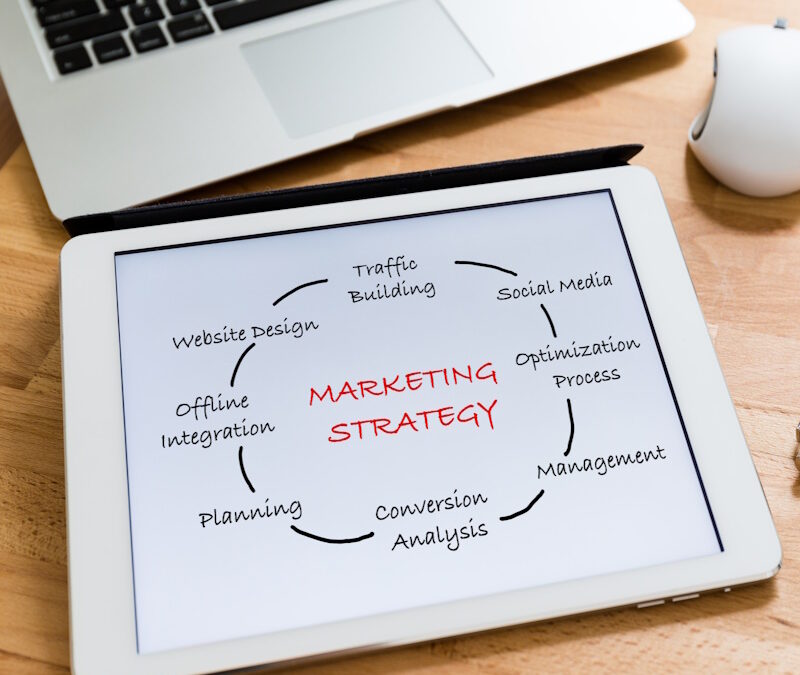
Cracking your digital marketing strategy involves several key steps.

I have learnt over time, and from experience, that you really need to spend some time in the very beginning identifying who you are, who you are appealing to and what you want to achieve.

It can be a very exciting time starting a business. You may have come from the corporate world with years of planning to pursue your passion and know exactly how and what you want to achieve, but putting it into practice requires a lot of thought and planning, as it is costly to change a brand.

Here is a break down of the 10 steps I recommend when you create your brand and marketing strategy.

Step 1: Define Your Goals

Define specific, measurable, achievable, relevant, and time-bound (SMART) goals.

Where do you want to be in 1 year from now, what is your target. Do you need to sell a certain number of products to break even? Establish our costs and establish where your products and services are most needed.

For me, my target is socially and environmentally aware people and businesses, those striving to promote authentic and new services that are both ethical and have mimumal impact on the environment.

Step 2: Understand Your Audience

Conduct thorough market research to identify your target audience’s demographics, behaviours, and preferences.

Create buyer personas to guide your marketing efforts.

Targeting the right people will increase your positive exposure, boost your own confidence and will helpl to raise your profile in the right circles.

Step 3: Analyze Competitors

Research competitors to understand their strategies, strengths, and weaknesses.

Identify opportunities and gaps in the market.

Make a list of at least 3 competitors and see what they are doing right and what they are doing wrong so ou know what to improve on.

Step 4: Choose the Right Channels:

Select the digital marketing channels (social media, email, SEO, PPC, content marketing) that best reach your audience.

Prioritize based on where your audience spends their time.

You dont need to post to every social media plaform, if Facebook is where you get more interest then stick with that. Keep it simple, time is your enemy.

Step 5: Develop a Content Strategy:

Create valuable, relevant content that resonates with your audience.

Plan a content calendar to maintain consistency.

Time is not on your side, so every piece of content my be designed to help someone, to create a story of interest.

If your product solves a problem like hair loss then stick to content about hair loss, its tempting to do more than you should.

Step 6: Optimize for SEO:

Conduct keyword research to inform content creation.

Optimize your website for search engines, focusing on on-page and off-page SEO techniques.

Your website has to contain the keywords associated with your brand i.e. a travel website must contain keywords associated with the type of travel you are offering to attract the right clientele.

Step 7: Leverage Social Media:

Develop a social media strategy that aligns with your brand and audience.

Engage with followers, share valuable content, and use analytics to track performance.

Show some personality, be authentic and natural. People will buy from those they like.

Step 8: Utilize Paid Advertising:

Invest in paid search and social ads to reach a broader audience.

Use targeting options to ensure your ads reach the right people.

Step 9: Implement Email Marketing:

Build an email list and segment it based on user behaviour.

Create personalized email campaigns to nurture leads and retain customers.

Step 10: Analyze and Adjust:

Use analytics tools to track the performance of your campaigns.

Regularly review metrics and adjust your strategy based on what’s working and what’s not.

Step 11: Stay Updated:

Keep up with industry trends and changes in digital marketing.

Adapt your strategies to remain competitive and relevant.

Step 12: Test and Experiment:

A/B test different elements of your campaigns (emails, ads, landing pages).

Use insights from testing to optimize future efforts

Summary

Create a good foundation, implement a plan, be consistent, analyse data and tweak to find the sweet spot that works for you. 

Get in touch if you would like so guidance.